
17 April marks International Bat Appreciation day! I always feel that bats get a bad rep, since it seems many people assume they are all vampires. International Bat Day was introduced by the Bat Conservation International (BCI) charity. This organisation was founded in 1982 and aims to conserve bats and their habitats through a combination of education, conservation, and research. Their website is full of wonderful information about how important bats are to our ecosystems and also contains tips on how we can best protect them. BCI found 35 critically endangered species of bat, and this was only between 2014 and 2018. BCI therefore have made it a priority to protect these species and all species of bats. Most endangered species live in South America, the Philippines and the US.
Bat species in the UK
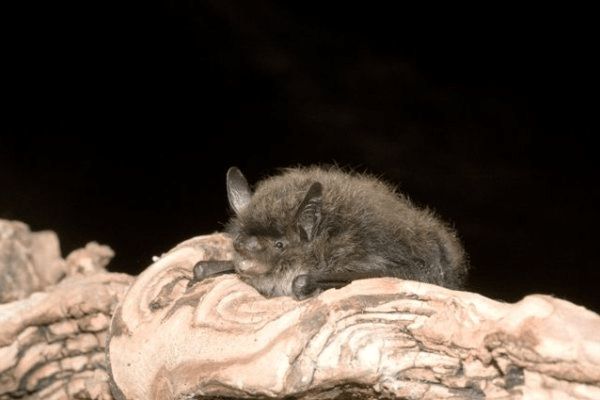
There are roughly 15 species of bats that are local to the UK – with a new species discovered in 2010! Most of our bat species are tiny things – most appear to be no bigger than 10 centimetres from their head to their feet. Can we just agree that these guys are also INSANELY cute!? With their little tiny bodies and squishy faces?! Just adorable.
Unlike bats in other countries, UK bats tend to make their roosts (little bat homes) in already existing structures. This means that they can sometimes appear in houses – under roof tiles or in lofts – or in garden sheds and other man made structures. Now despite popular belief, bats are not rodents so do not cause any structural damage to buildings by chewing wood or wires the way mice or rats might. Bats also tend to move around a lot. In the summer they need somewhere close to food, so you will likely see them around houses or large green areas more, where they can have an easy stream of food. In the winter though, bats hibernate and need somewhere secluded and safe for them to hibernate in. This could be hollowed out trees or even some caves.
How to help local bats
One of the best things you can do for bats, especially during the summer, is to plant bat friendly gardens. Bats eat a lot of bugs, so growing a garden that attracts a lot of bugs is ideal for them. Their favourite foods are moths, so planting brightly coloured flowers which attracts moths at night are a good choice for a garden. Also, the more fragrant the flower the better as this will attract more bugs to the area and thus give the bats a wider range of food to chose from. Also, while I’m sure this goes without saying, an organic garden is always better for nature. Avoid using any harsh chemicals to make your flowers grow, as this will not only deter many bugs (and therefore bats) from visiting your garden, but could also cause many health problems for bats that have snacked on a bug filled with pesticides and other chemicals. I personally always find wild flower gardens to look beautiful and I understand that wild flowers grow with very little help needed. Personally the more overgrown the wildflowers look, the better to me!
In the winter, if you know that there are bats in your area you can set up bat houses for them to hibernate in. You can buy premade houses from places like Amazon, but you could also try your hand at making one. Now according to my research, bats can be very fussy pickers when it comes to where they roost, so whilst they may not actually stay in any bat house you provide, it is still good to provide the option.
If you have pets, try not to leave them out at night. I know that cats in particular are better hunters at night, but as I have mentioned in my previous post about free roaming cats, our furry friends can cause massive disruption to local wildlife species. This includes bats. Making sure your pets are kept inside means the bats can eat all night without having to fear about attacks from our pets.
What are the biggest threats to bats
Habitat loss
As with all animals, habitat loss is one of the biggest threats to them and bats are no different. Bats love living in dead trees, but of course we humans hate looking at dead trees. So we cut them down and there goes another safe place for bats to live.
Building works
since many species in the UK roost in buildings, any sort of building work can cause them damage or stress. In the winter, bats are very vulnerable during their hibernation cycles, and in the summer most species give birth to their babies. Any building works – from the noise to the dust to the general demolition of a building – can have a negative impact on roosting bats and this in turn can lead to a decline in bat populations.
Please note that bats and their roosting locations are protected by UK legislation. Any building works carried out will need to adhere to these laws and regulations and interacting with bats or a roosting location are to be kept to an absolute minimum. In many cases, you will need to require specialist permits and licenses to carry out work near to or to enter any confirmed roost locations. You can check with your local authority if you believe that there may be a roost nearby or if you think any planned building works may disrupt bat activity in the surrounding area.
Light
Bats are not fully blind but their eyesight is still pretty poor. As such, bats are adapted to being optimal night dwelling creatures, from how they hunt to how their day cycles go. With light pollution, this can disrupt how the bats tell time. Bats tend not to venture out at all during the day as they are higher risk of predation by larger animals (mostly hawks) and as they cannot tell the difference between sunlight and artificial lights, bats tend to avoid any areas where there is light present. This can disrupt hunting and foraging routes and can also trap bats in their roosts if they think that it is light outside.
Where can you get more information?
There are some wonderful charities and organisations out there who are doing great work to raise awareness around bat conservation. Here are a few that I have started following so I can learn more about bat protection and bats in general.
Local Bat Groups – Oxfordshire Bat Group or the London Bat Group for example. Most seem to be held on Facebook so do some exploring and meet some other likeminded individuals who want to help bats.
You can also join local groups via the Woodland Trust or your local authority who carry out ‘bat watches’ during the summer months. I am looking to attend one in my local area where I will go on a night-time walk through my local woodland and look out for signs of bat activities.
 Taylor Talks Vegan